
Fewer teenagers and young people are learning to drive. In the ’80s and ’90s, we were rushing out to get our driving licenses as soon as we were able. Most 17-year-olds had a permit, even if they didn’t actually buy a car straight away. They used their parent’s cars when they could, or also shared with friends. Modern research shows that by 2014 online, 24% of 16-year-olds had a license. Not only are fewer teenagers driving, but they also aren’t even bothering to get their license.
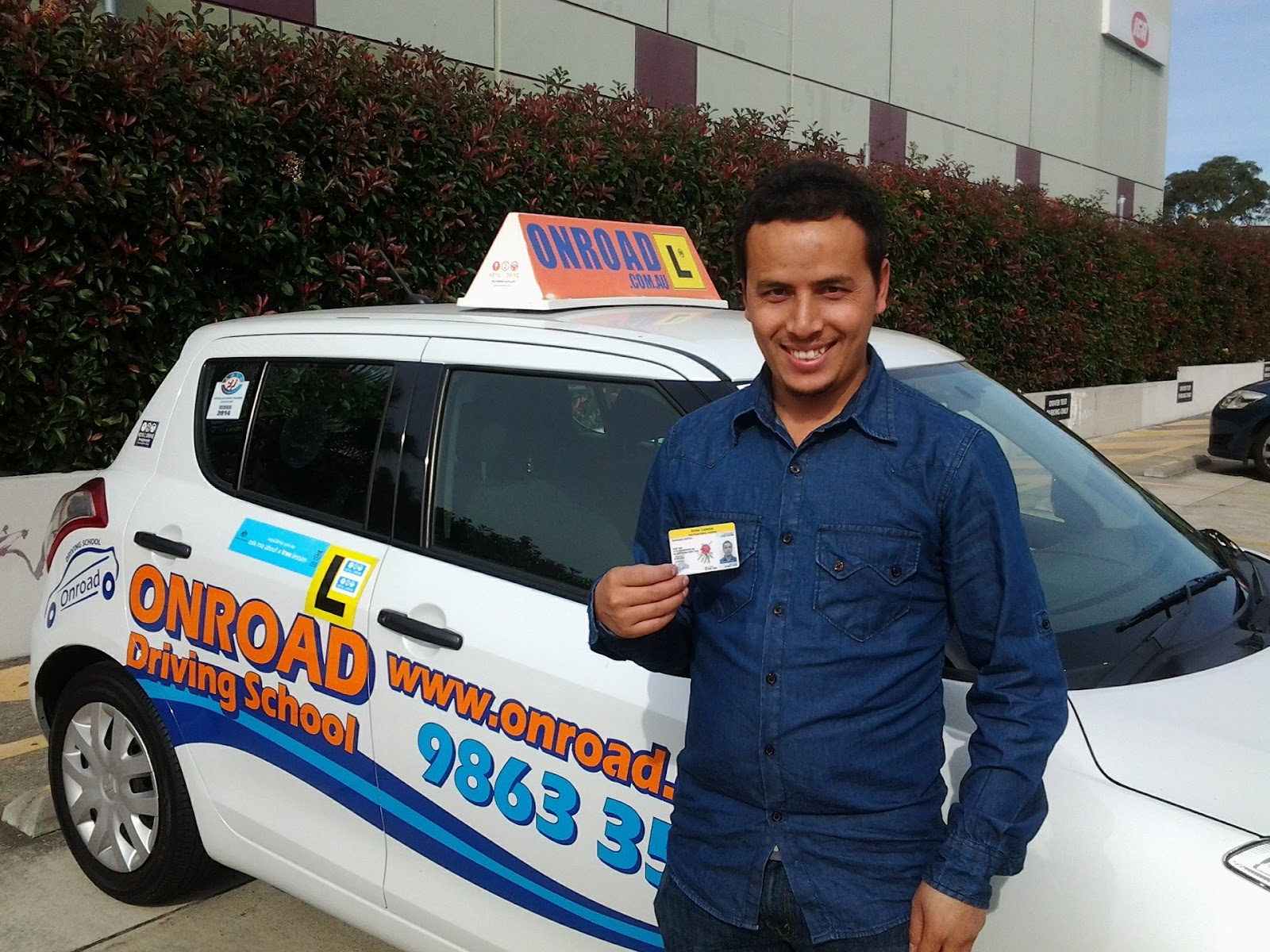
Why Are Fewer Young People Learning To Drive?
There are several reasons for this. One is that today’s teenagers value their freedom, but they want to be able to use it to have fun, without having to be responsible for driving themselves and their friends around. They’d rather rely on parents for lifts, use public transport and take Ubers, which makes travel more convenient than ever before.
There’s also the fact that in most areas, there are more significant opportunities closer to home than there was 20 years ago. Even those of us that live in fairly remote areas have access to education and employment close enough to home that we don’t need to rely on being able to drive to have opportunities.
However, the main reason is perhaps cost. Many people today chose to have private driving lessons instead of getting straight out onto the road. They take courses, have lessons, hire instructors, all with the hope of being safe on the road, now that the roads are busier and more dangerous. Cars themselves are getting more expensive, with seemingly fewer affordable options, and the other associated costs such as tax, insurance, and fuel are always rising. Couple this with the increasing costs of education, food, and general living, and teenagers simply can’t afford to get behind the wheel, or they are prioritizing other ways to spend their money.
What Are the Advantages of Learning to Drive While You Are Young?
Unfortunately, this lack of youthful driving experience can give our teenagers disadvantages. Many people find it harder to learn to drive if they do it later in life. It takes them longer, many never feel as confident or comfortable behind the wheel, and they are more likely to be involved in an accident if they’ve got less experience.
Driving young doesn’t just improve their confidence behind the wheel. It can also give them more confidence in other areas of life. They’ll have more freedom and independence. They’ll have more control over what they do and where they go. Their confidence will grow, they’ll feel older, and they might become more mature and responsible. Being able to drive and having access to a car can open up more opportunities, give them a way to see friends who may have moved away for school, and meet new people. Driving can be a gateway to adult life.
How Can Parents Help?
As a parent, however, your main concern will be their safety. If you have younger children or kids in their early teens, you might be reading this glad that they might not be as keen to get behind the wheel. You might worry that they wouldn’t be safe. You might not trust other road users, and you might even fear that your child won’t be responsible enough to be a safe driver, or mature enough to make the right decisions on the road, or in the event of an accident.
That’s the main reason that many parents choose to give their teenagers driving lessons. They want to know that they have had knowledgeable tuition and that they have spent time on the road with an experienced driver before they get out there on their own. Who is better to offer this kind of guidance than yourself, the person that they trust, and hopefully, listen to the most?
But, while parents help with car insurance successfully, they don’t always make the best driving instructors. Often, teaching a loved one to drive leads to arguments, flared tempers and high emotions. It doesn’t always go well. It can even lead to poor drivers and have a negative effect on long-term relationships. So, if you’d like to one day teach your child to drive, here are some tips to help you.
Brush Up Your Skills First

Don’t just assume that you are a good driver. Most people find that the longer they drive, the more bad habits they pick up. Spend some time monitoring yourself. Look for things that you do wrong, or that you need to improve. Perhaps you drive too fast, or break too late? Go through a checklist in your head as you drive, and spend some time practicing maneuvers, as well as open-road driving.
Accept Your Own Weaknesses
Is there anything that you know you aren’t very good at? Do you avoid reverse parking? Or hate driving at night? Accept these weaknesses, and be honest about them when you teach. Don’t pretend that you are perfect.
Practice on Roads You Know Well
Teaching someone else to drive isn’t the same as driving alone. Practice on roads that you know well so that you are able to fully concentrate on what you are teaching and what your child is doing, instead of worrying about directions. Start on quiet, basic roads, and introduce obstacles and more complicated driving slowly as they gain confidence.
Keep Calm and Be Patient
The greatest skills that any instructor needs are the ability to stay calm and be patient. Your child may take a while to learn some things, and you getting stressed out and trying to rush them will only make things worse. If ever you find yourself getting angry or stressed out, or you can see that they are tense, take a break.
Get the Car Checked

Before you start to teach someone else to drive, take your car for a service, to make sure it’s in good condition, and it drives at it’s best.
Give Time to Theory
We generally learn skills better when we understand them. Your child might grasp driving more quickly if they understand it. Give them a chance to learn the rules of the road, about road signs and laws. They might also want to know more about how the car itself works. Finding that biting point is often easier if we’ve got at least a vague understanding of what our car is doing.
Of course, this might mean that you need to learn more about laws and mechanics yourself. So, spend some time doing your research, and learn together if there is something that neither of you understands.
Let Them Ask Questions
The worst teachers are the ones that never let their students question things. Give your child space to ask questions without judgment. Some of their questions might seem obvious, but that is only because you know the answer. Remind yourself that we all start somewhere, encourage them to ask questions and answer honestly as much as you can.
Teach the Things an Instructor Wouldn’t
A professional instructor’s job is to get their students on the road safely. In some countries and areas, driving students face a test before they can legally drive alone. In these places, it is the instructor’s job to get them through the test. Their students often learn far more about driving alone on the open road once they have passed, and their instructor’s job is done.
As a parent, you are in a position to teach more. Teach them about what really happens on the roads. Tell them what to do in the event of an accident, and even small things that we take for granted like how to refuel or how to de-ice their windscreens. Think about the situations that you have faced over the years and try to prepare them as best you can.
Ask for Feedback
You wouldn’t keep paying an instructor to teach your child if it wasn’t going well. You wouldn’t force them to stick with it if they didn’t like their instructor, or didn’t learn from their particular learning style. We all learn differently, and most of us teach differently, too.
So, don’t just assume that your child will respond well to your way of teaching. Ask them how they think it’s going, ask if they are enjoying learning, or if there is anything that they’d like you to do differently. Ask them if they prefer to watch you first, and then have a go at things, or if they prefer you to talk them through as they try straight away. Learn together and evolve as a partnership. Always make the time to ask what they want to learn, what they feel like they need more practice on, where they lack confidence, or what they just don’t get. Teach them, but involve them in the process.
If things aren’t going well, and either you or your child doesn’t feel like they are progressing, don’t be scared to give up. Let things go and either hire a professional instructor, let them practice alone, or enroll them in a driving course. At some point, it’s best to accept that you aren’t the best person to teach them this valuable life skill.